Why Specialist Insurance Matters for High-Value Art Collections
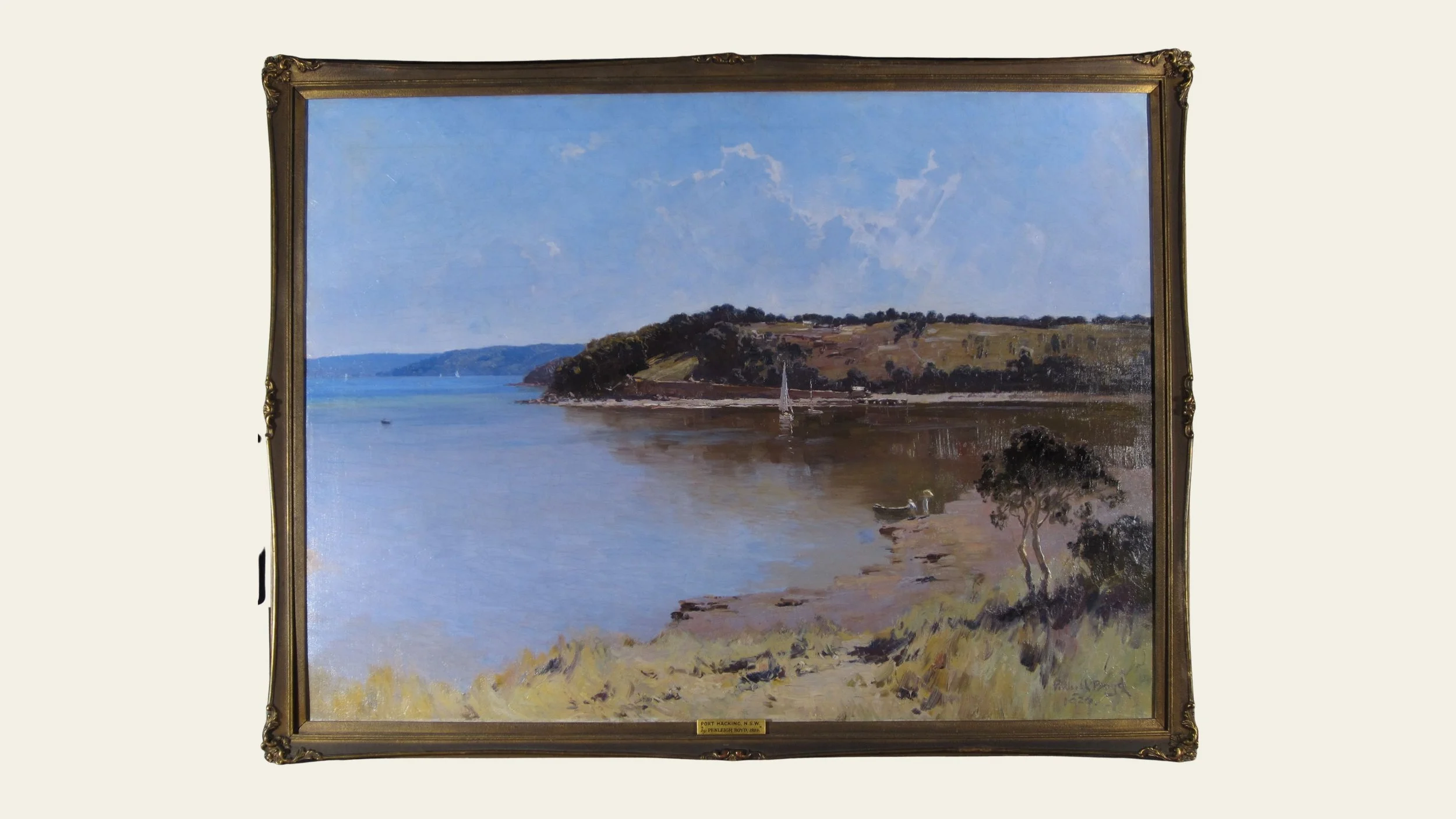
In the world of exceptional art, a collection represents far more than aesthetic appeal. It reflects history, craftsmanship, personal legacy and, increasingly, a significant financial asset. For many collectors, acquiring and curating important works takes years of dedication, careful research and investment - making their protection just as important as their acquisition.
Yet even the most meticulously maintained collections remain vulnerable. Age, environmental conditions, improper storage and unforeseen accidents can all compromise a work’s integrity, often long before visible damage appears.
According to Julian Bickersteth, CEO of International Conservation Services, damage is frequently identified only once it has progressed beyond the point of simple intervention. By then, restoration becomes significantly more complex and, in some cases, the damage may be irreversible.
This is where specialist insurance becomes essential. Unlike standard cover, specialist insurance recognises the unique nature of fine art and collectibles - from fluctuating values and restoration requirements to transit risks, storage conditions and the need for expert valuation. It ensures that, should damage, loss or deterioration occur, collectors have access to the right advice, appropriate cover and claims support tailored to the true value and significance of their collection.
The Hidden Risks to Your Collection
Environmental Damage
In climates like Sydney, humidity, poor airflow and dust can quickly lead to mould growth. Once present, mould can permanently stain and damage a painted surface, making proper temperature, ventilation and storage essential.
Light Damage
Direct sunlight and heat can cause paint and canvas to expand at different rates, weakening adhesion over time. This can lead to fading, cracking, flaking and a loss of value.
Accidental Damage
Many restorations are the result of unexpected accidents during transport, installation, storage or everyday living. For valuable collections, professional handling, secure placement and specialist insurance are key to protecting each piece.
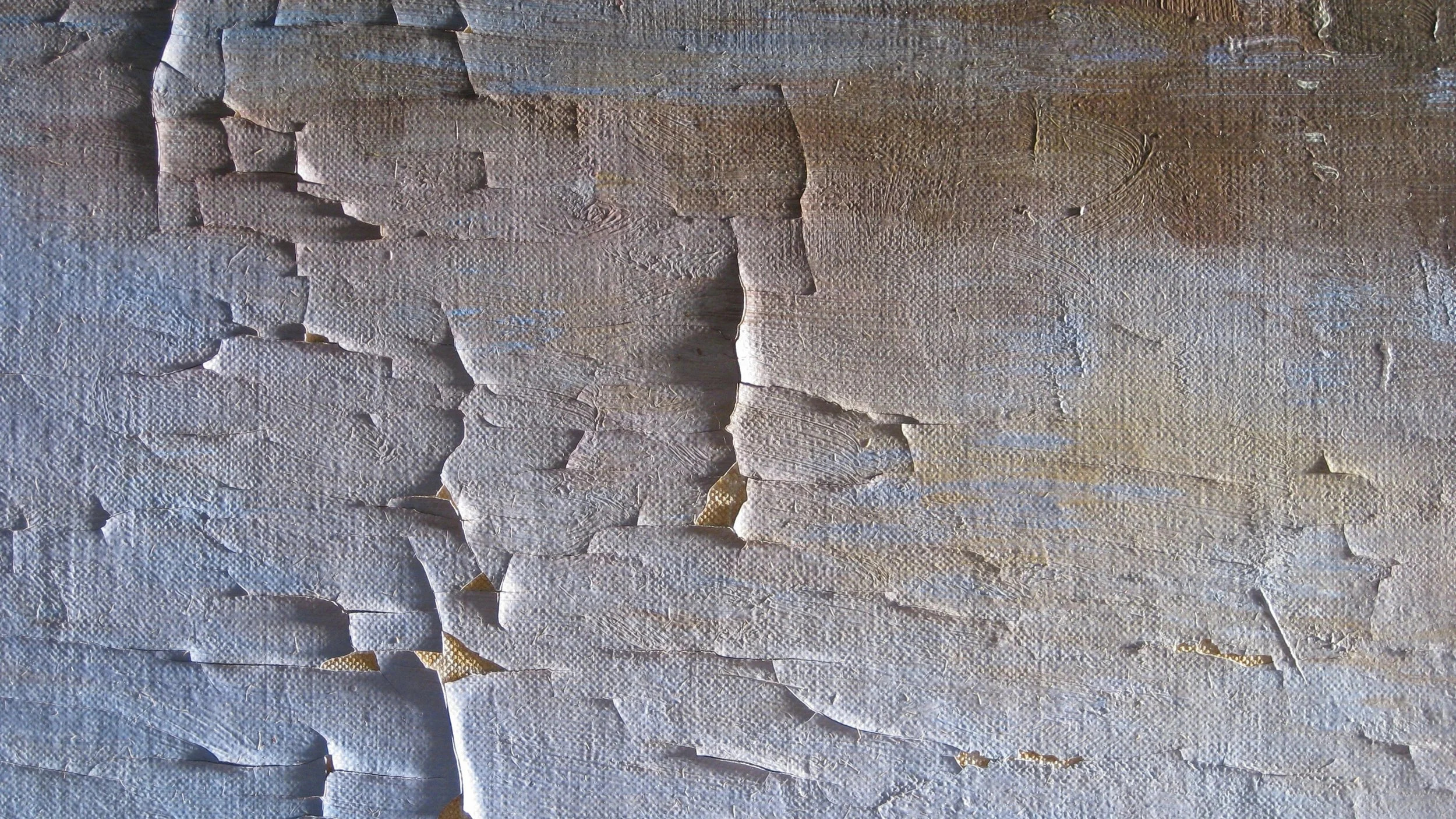
Source: International Conservation Services - Before Restoration
The Impact on Market Value
As important collections continue to appreciate, professional restoration has become an increasingly important component of long-term asset preservation. In the fine art market, value is closely tied to condition, making conservation a key consideration for collectors, insurers and advisors alike.
However, restoration involves more than repairing physical damage. Even after expert conservation, a work may experience what is known as “diminution of value” - a reduction in market worth resulting from its history of damage.
The objective of exceptional restoration is not simply to repair a work, but to preserve its authenticity. Through meticulous craftsmanship and discreet intervention, conservators seek to restore visual integrity while respecting the piece’s historical, cultural and financial significance.
For collectors, this reinforces the importance of early intervention. The sooner deterioration is identified, the greater the opportunity to reduce further damage and support the work’s long-term value.
Why Specialist Art Insurance Matters
When it comes to high-value artworks, standard home and contents insurance may not provide the level of protection required. Exceptional pieces often require specialist cover that reflects their true market value, provenance, condition and the complexities involved in restoration.
The right insurance does more than respond after damage has occurred. It helps ensure that, in the event of loss, theft, accidental damage or deterioration caused by an insured event, collectors have access to the right experts, appropriate restoration pathways and support in assessing any potential diminution of value.
As Julian Bickersteth notes, “50% of our art conservation work is insurance work” - a reminder that damage to important works is not uncommon, and that the claims process can be highly specialised.
For collectors, this makes accurate valuations, detailed documentation and tailored insurance cover essential. Without the right policy in place, a damaged work may not be fully protected, leaving the owner exposed not only to restoration costs, but also to a potential reduction in long-term market value.
A considered insurance strategy should account for how and where artworks are displayed, stored, transported and loaned, as well as whether the policy responds appropriately to accidental damage, transit, restoration costs and depreciation following a claim.
For high-net-worth individuals, this is where expert advice becomes invaluable. At Domus Private Clients, we work closely with collectors to arrange tailored insurance solutions that reflect the unique nature of their collections and the risks they face. Protecting an art collection is not simply about insuring an object; it is about protecting the financial, cultural and personal value it represents, with specialist guidance and support at every stage.
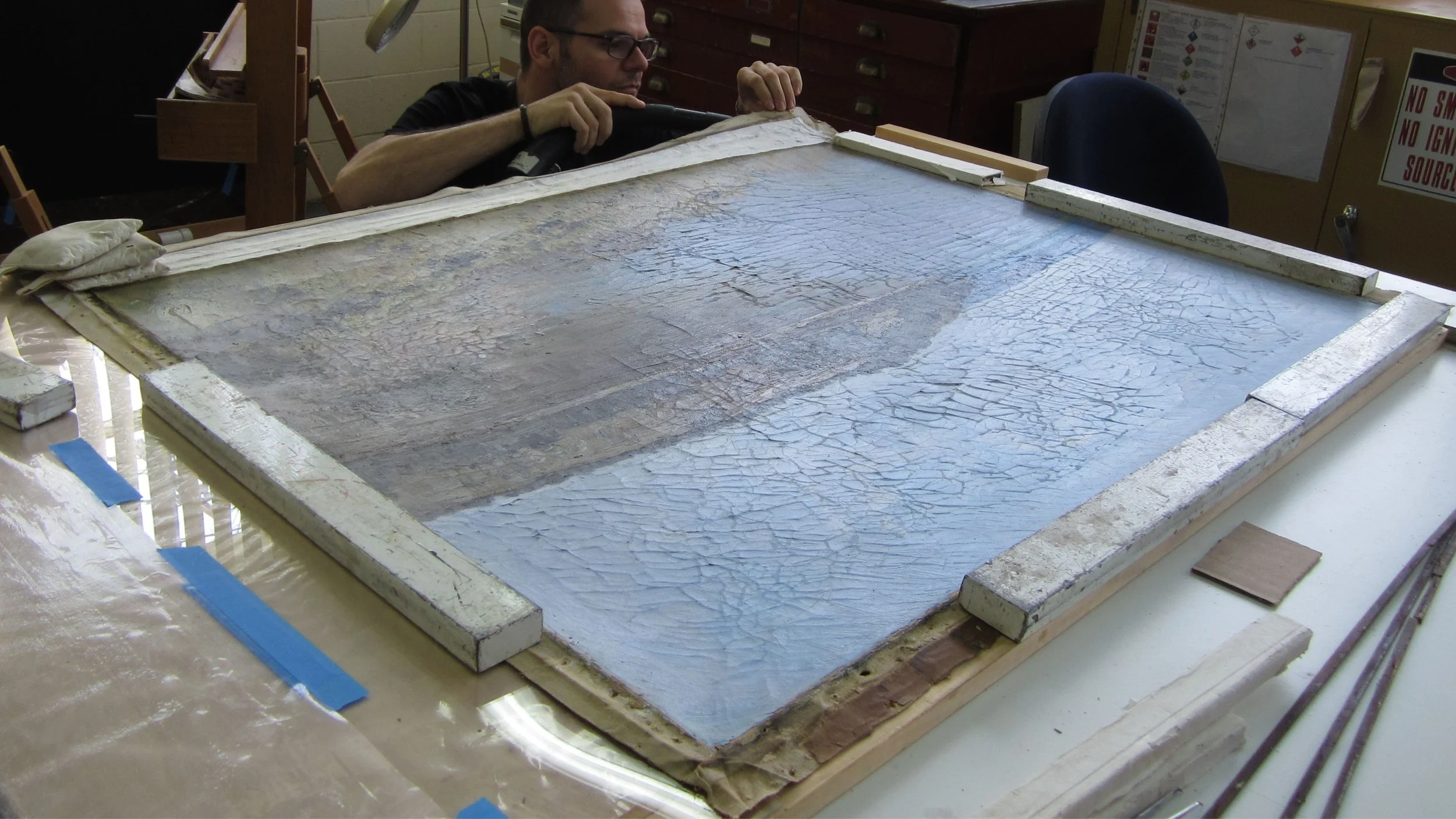
Source: International Conservation Services - During Treatment
Preventative Measures for Collectors
Protecting a collection begins long before restoration is required. Regular inspections, careful handling and appropriate environmental conditions can help reduce the risk of deterioration and preserve the integrity of important works over time.
Artwork should be checked periodically for early signs of damage, including discolouration, mould, flaking, warping or movement within the frame. Routine maintenance, such as gentle dusting with a soft brush, may also help prevent surface build-up, although valuable or delicate works should always be treated with care and assessed by a professional where required.
For framed pieces, simple measures such as using felt spacers can improve airflow between the artwork and the wall, helping to reduce trapped moisture and the risk of mould. Direct sunlight should also be avoided, as controlled lighting conditions are essential to preserving colour, texture and structural integrity.
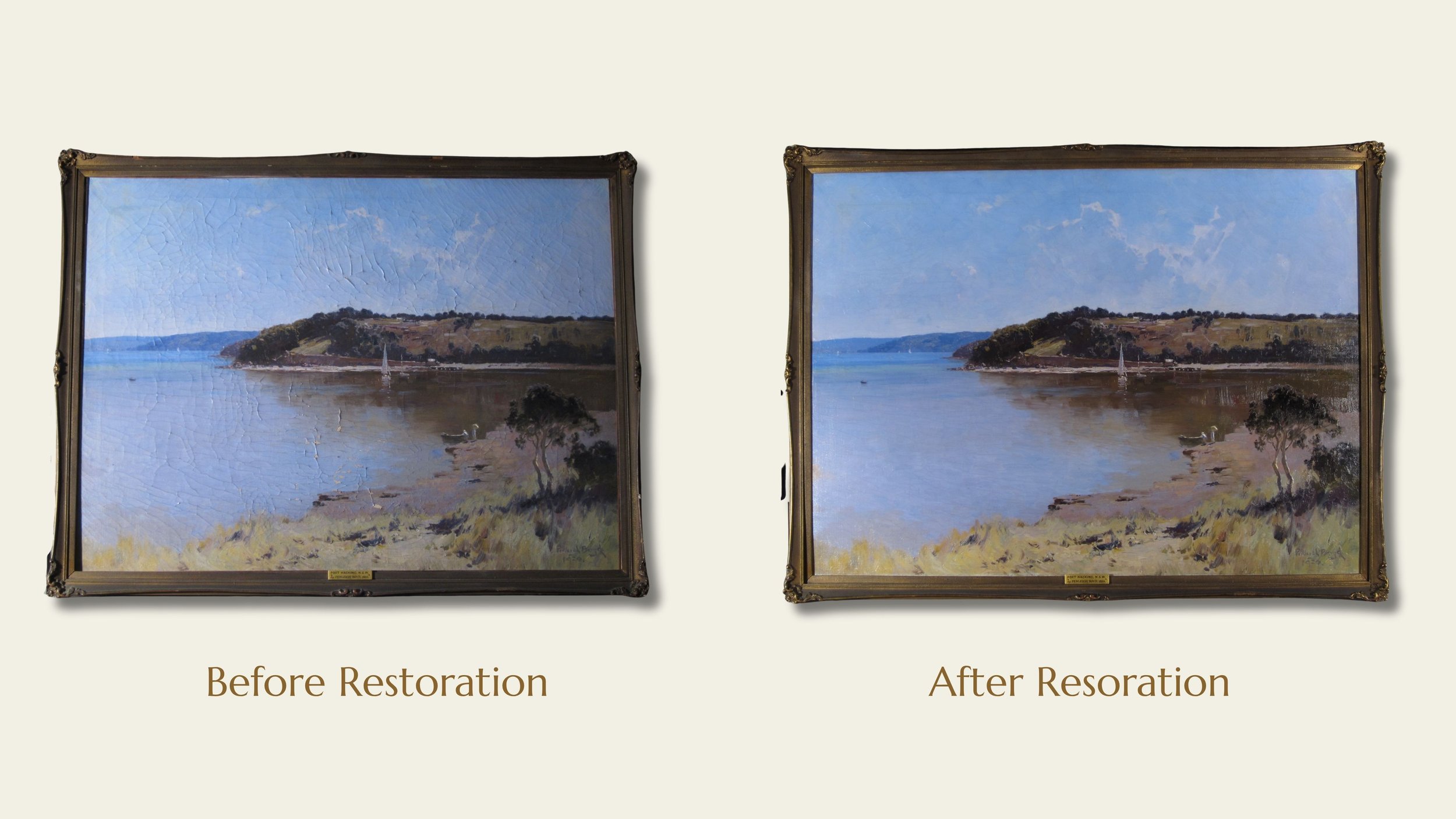
Source: International Conservation Services - Before & After Treatment
Safeguarding a Legacy
In a market where provenance, condition and rarity are closely linked to value, preservation is no longer simply about protecting what is beautiful. It is about safeguarding a legacy.
For high-net-worth clients, art collections often hold both personal and financial significance, forming part of a family’s history, investment portfolio or broader estate planning strategy. By considering conservation, environment, handling, documentation and insurance together, collectors can ensure their artworks are protected for both the present and future generations.
Speak with our specialists to ensure your art collection is accurately valued and properly insured.
It doesn’t matter who you insure with, until it does.
Contact Us
Please contact us for a quotation or for further details.
We will be delighted to assist.